
Storm damage put right, properly.
The Fenland weather is famously exposed — flat, open landscape and few natural windbreaks mean named storms tend to hit roofs across Wisbech, King's Lynn and the surrounding villages hard. When yours takes a battering, we're set up to respond quickly, make it safe and put it back the way it should be.
We work directly with homeowners and with your insurer where needed, providing written reports, photographs and clear itemised quotes to support your claim. No inflated pricing, no scare tactics — just a straightforward job done to a high standard.
Storm damage roofing
What we handle after high winds.
Common storm damage we see across the Fens
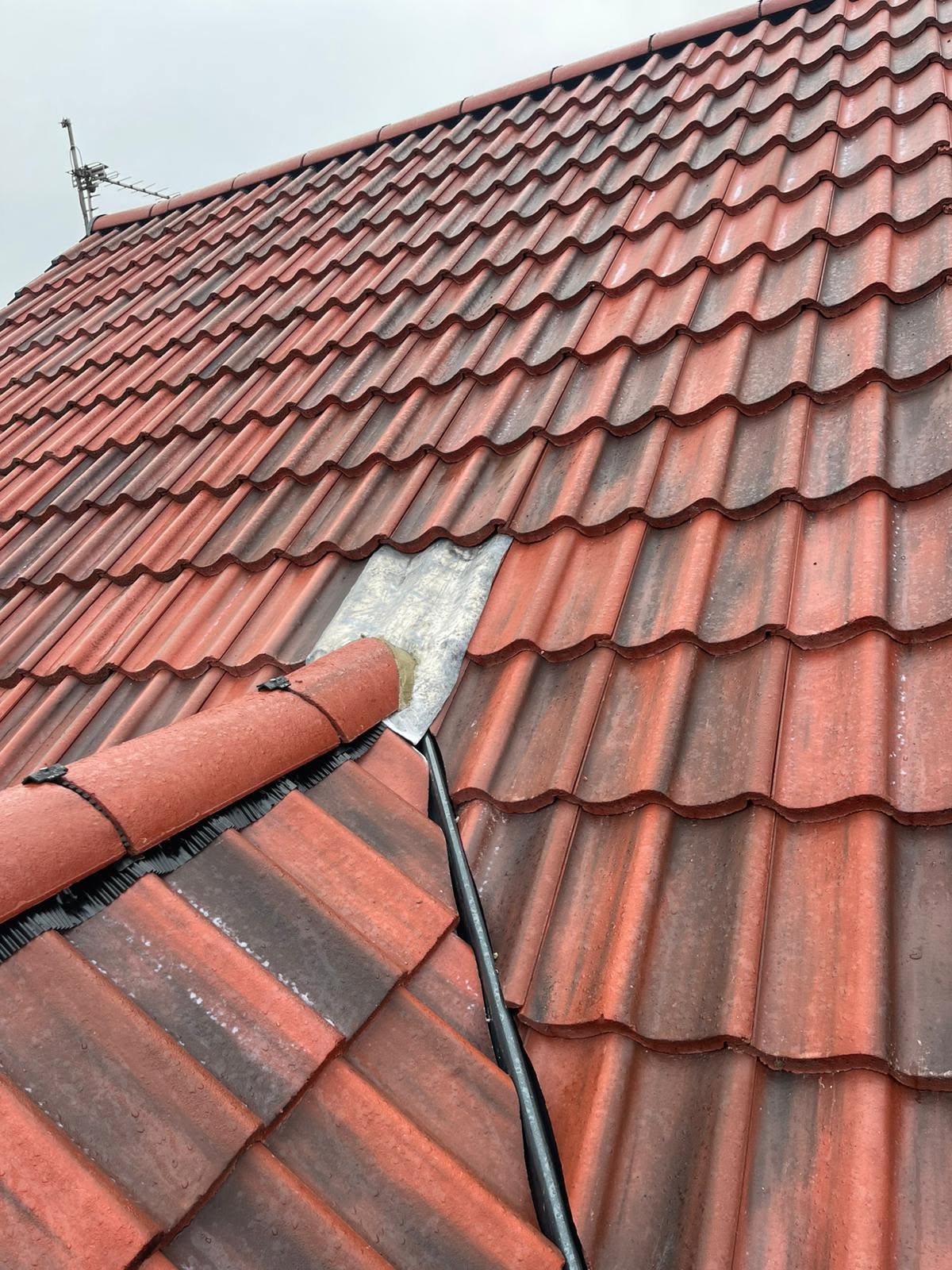
- Ridge tiles blown off along an exposed roofline
- Slipped or missing individual tiles and slates
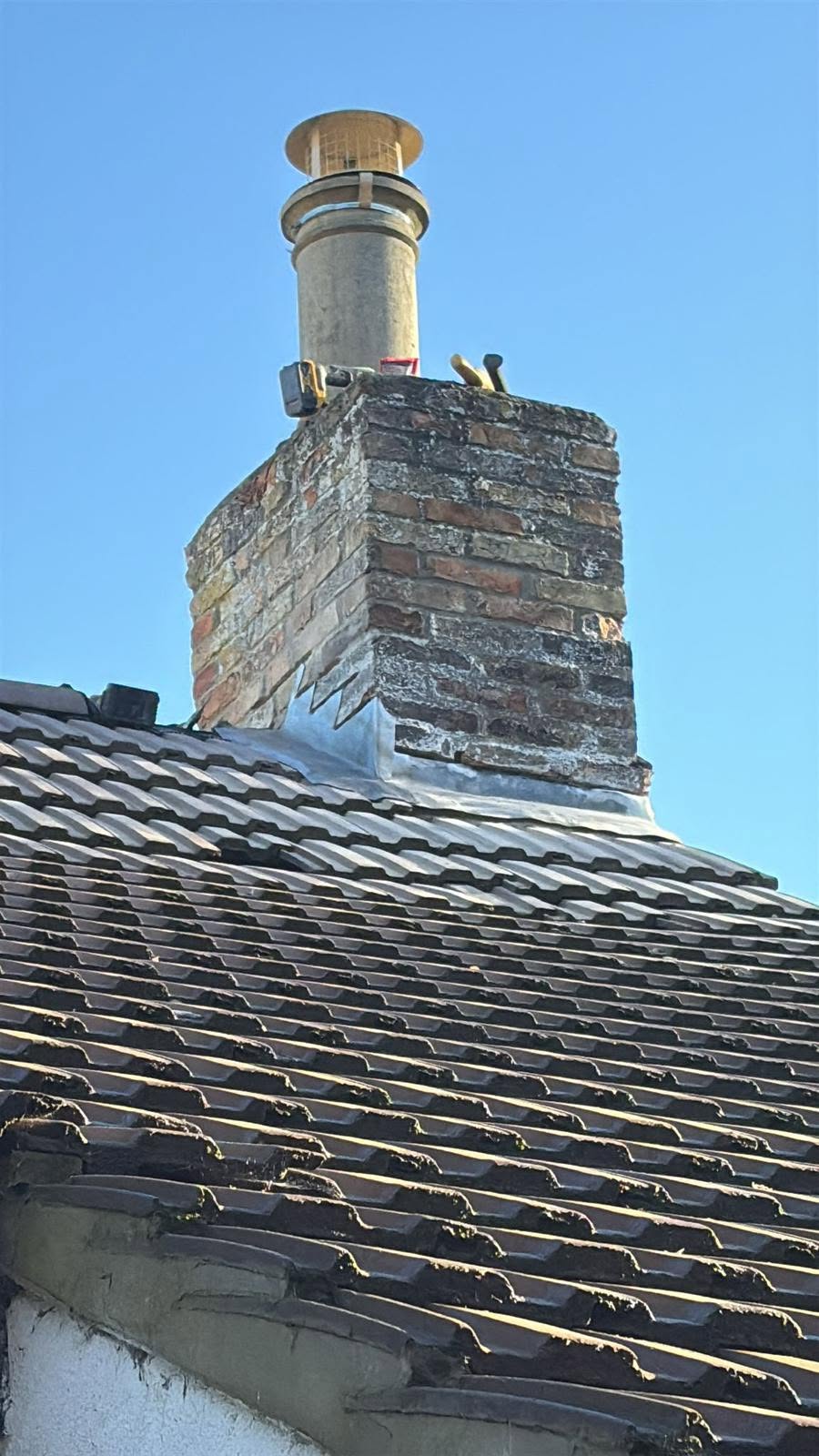
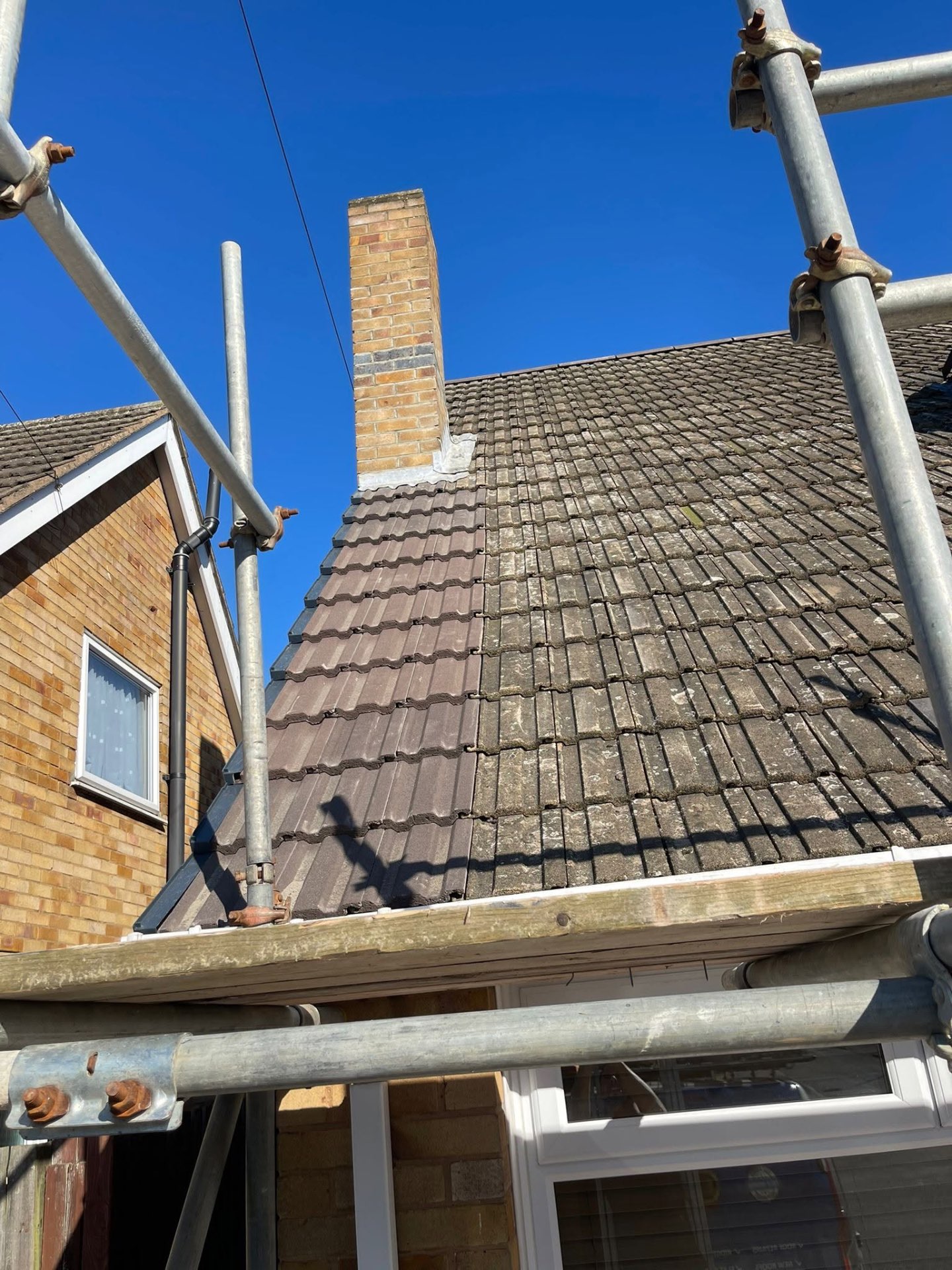
- Damaged or cracked chimney stacks and pots
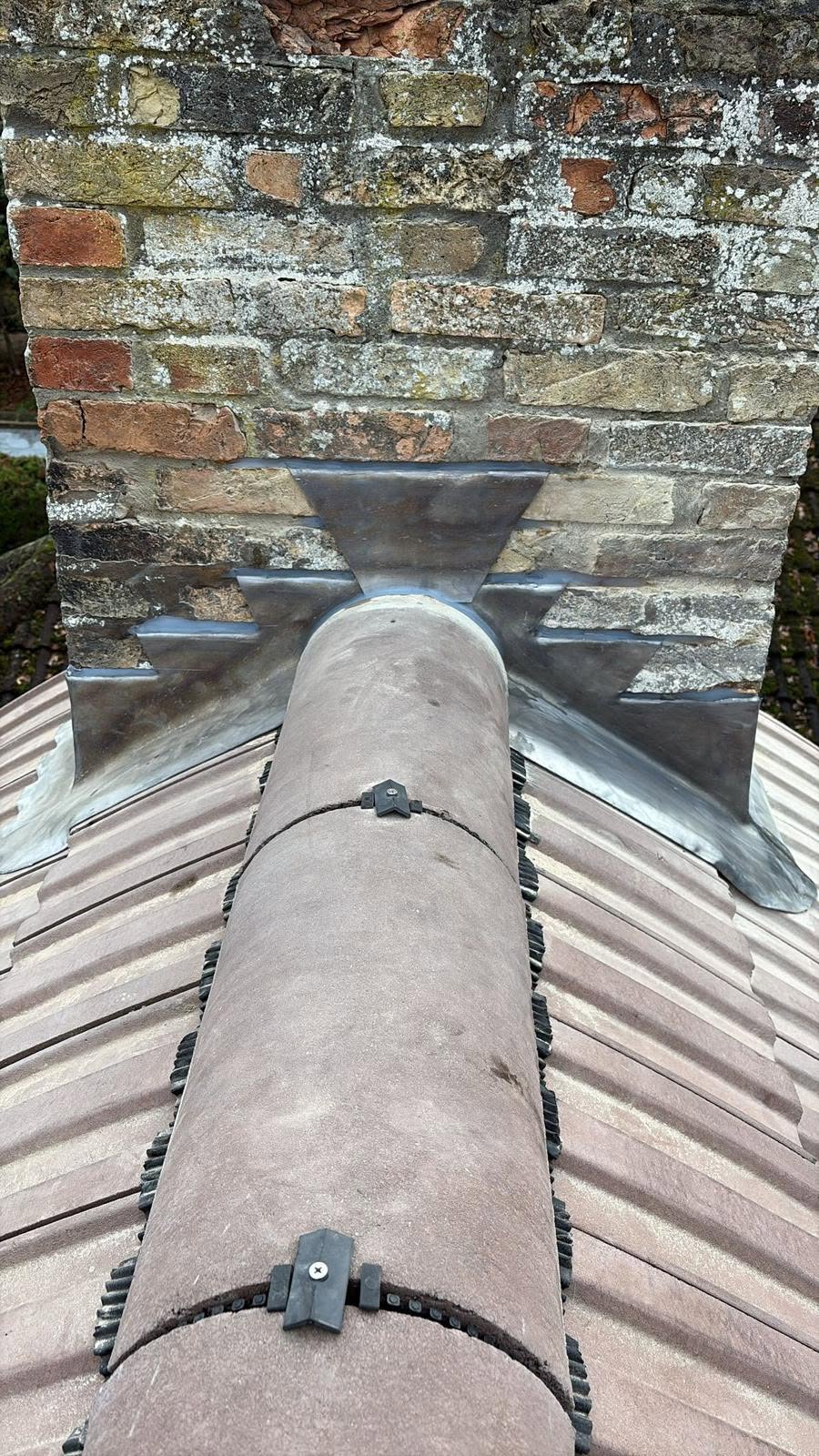
- Lifted lead flashings and dislodged soakers
- Failed valleys where water has been driven uphill by wind
- Blown-off flat roof coverings on garages and extensions
- Impact damage from fallen branches or aerial fixings
Signs your property has taken storm damage
- Tiles or slates on the ground or in the garden
- Fresh damp patches on ceilings after heavy rain
- Daylight visible through the roof from inside the loft
- Debris in gutters that wasn't there before the storm
- Chimney pots leaning or missing after high winds
- Water running down internal walls or around windows
How storm damage can affect your property
The visible roof damage after a storm is almost never the whole story. Once wind lifts a tile, water can find its way onto the felt below, then track along battens and timber before appearing inside — sometimes rooms away from where it entered. Left untreated, that leads to rotten timbers, saturated insulation, damaged plaster and ultimately much larger structural repairs. Prompt inspection and reinstatement after a storm is one of the highest-value pieces of home maintenance there is.
Materials we match on storm repairs
Wherever possible we match the existing tiles or slates in profile, colour and weathering so the repair blends in cleanly. Where an exact match isn't available (older or discontinued tiles) we use the closest current equivalent, often taken from a less visible slope so a matched original tile can go on the front elevation. Leadwork is replaced in the correct code (usually Code 4 or Code 5), and any chimney brickwork is rebuilt in matching brick with an appropriate mortar mix.
Why work with a local roofer after a storm
Nationwide 'storm response' outfits often descend on affected areas, quote in a hurry, and disappear once they've been paid. A local, established roofer has to live with the reputation of every job we do — so the standards stay high whether it's a two-tile repair or a full re-roof. Being local also means shorter response times, and someone who's still around if a question comes up months later.
Our process
How we work
- 01
Report the damage
Call us with a brief description and photos if you have them — from ground level only.
- 02
Safe inspection
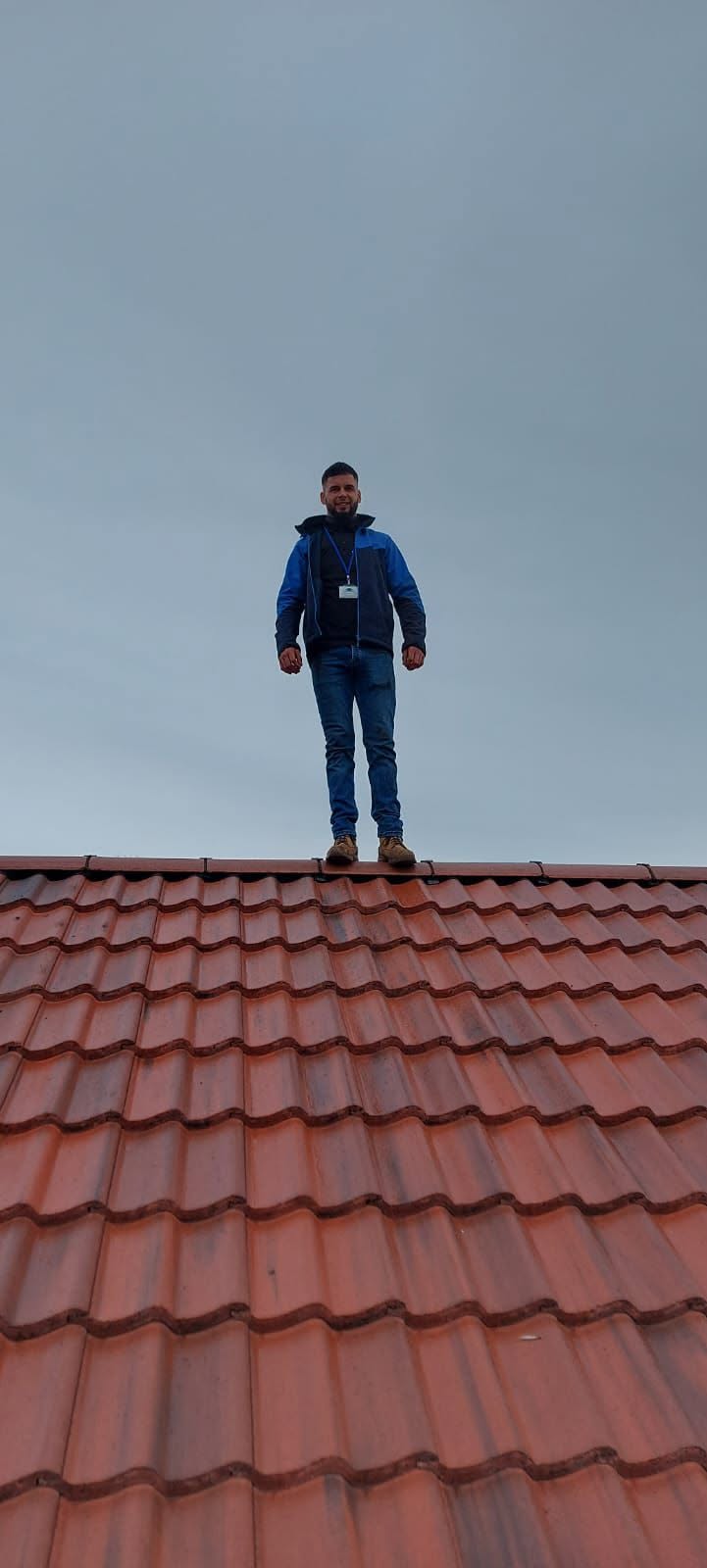
We come out, get on the roof safely, and document everything for you and your insurer.
- 03
Make safe
Temporary weathering, cordons for falling debris, or immediate repair if conditions allow.
- 04
Full reinstatement
Permanent repair to match the original roof, insurance report supplied, site left tidy.
FAQ
Frequently asked questions
What should I do straight after a storm damages my roof?+
First, stay off the roof — it's genuinely dangerous after high winds. From ground level, take photos of any visible damage (missing tiles, displaced flashings, debris on the ground) as they'll be useful for your insurance. Then give us a ring so we can come out, assess the roof safely, and either make it safe on the spot or arrange emergency weathering.
Will my home insurance cover the repairs?+
Storm damage is covered by most standard buildings insurance policies, subject to the excess. We can provide a written report, photographs and an itemised quote to support your claim. If your insurer wants to speak to us directly to authorise works, we're happy to do that.
How quickly can you attend after a storm?+
We prioritise emergency and storm-damage calls, especially where water is coming into the property. During busy periods after named storms we prioritise safety-critical jobs first — you'll always get an honest timescale, not a vague promise.
Can you provide a written report for my insurer?+
Yes — we regularly provide insurance reports covering the cause of the damage, extent of the works needed, materials and labour costs, and photographic evidence. Insurers are used to our reports and rarely query them.
What if the damage looks minor — do I still need it looked at?+
Yes, ideally. A single displaced tile or a slightly lifted flashing is easy to overlook, but the moment weather gets under it, water can travel a long way through the roof structure before you see it inside. Small storm damage is cheap to fix promptly and expensive to ignore.
Do you repair storm damage on commercial roofs?+
Yes — we cover storm and wind damage on commercial premises, industrial units, farm buildings and outbuildings across Cambridgeshire, West Norfolk and South Lincolnshire, as well as domestic properties.