Roofing advice

Straightforward advice from working roofers.

A collection of practical guides and answers to the questions we get asked most often by homeowners across Wisbech, King's Lynn and the wider Fens. No sales pitch — just useful information you can use to make good decisions about your roof.

Signs your roof needs repair

Signs your roof needs repair

Most roof problems start small and get progressively worse. Catching them early keeps the bill small too — here are the warning signs worth acting on rather than ignoring.

What to look out for from outside

  • Slipped, cracked or missing tiles or slates
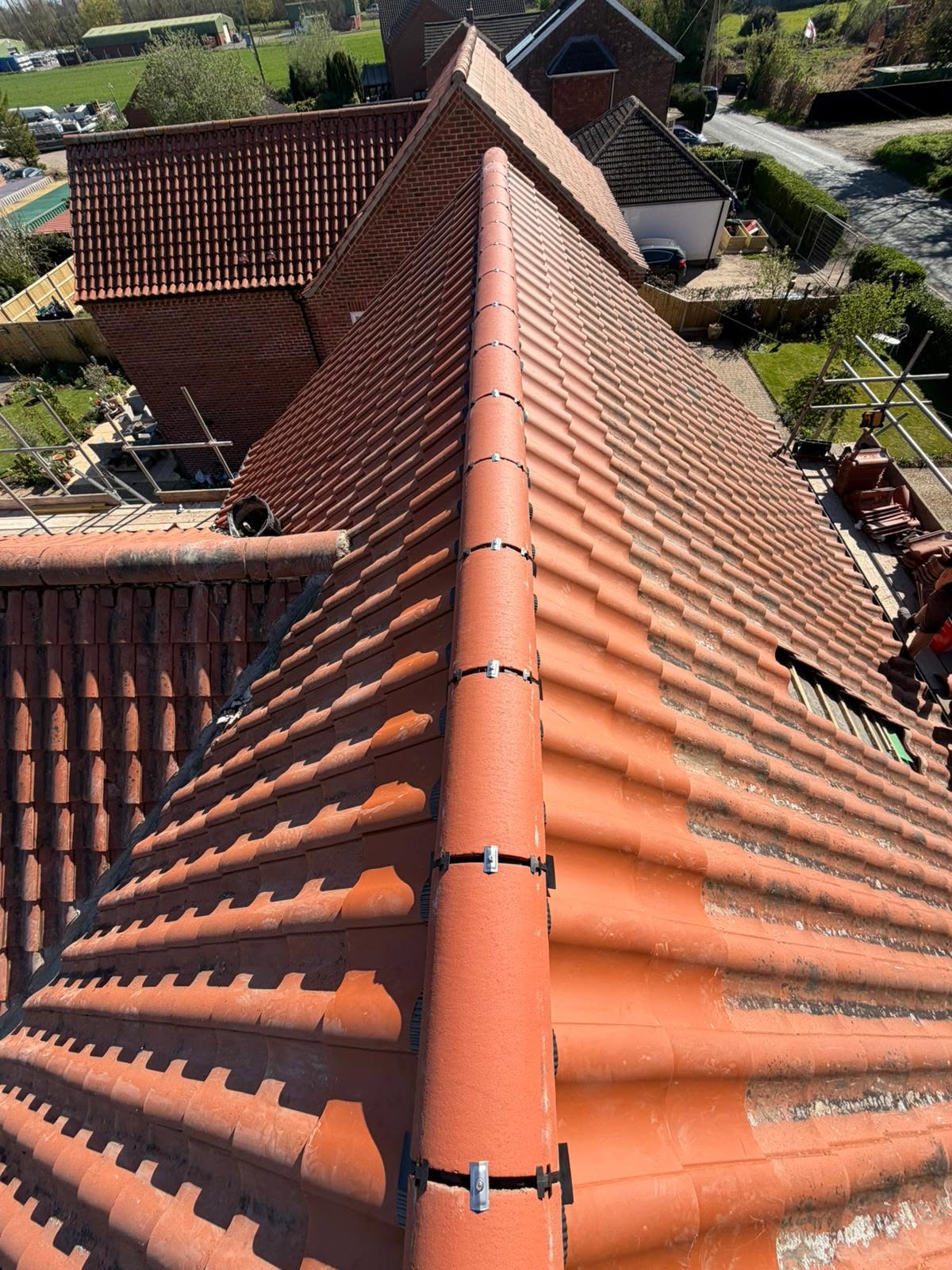
  • Ridge tiles that look wonky, loose or have visible cracks in the mortar
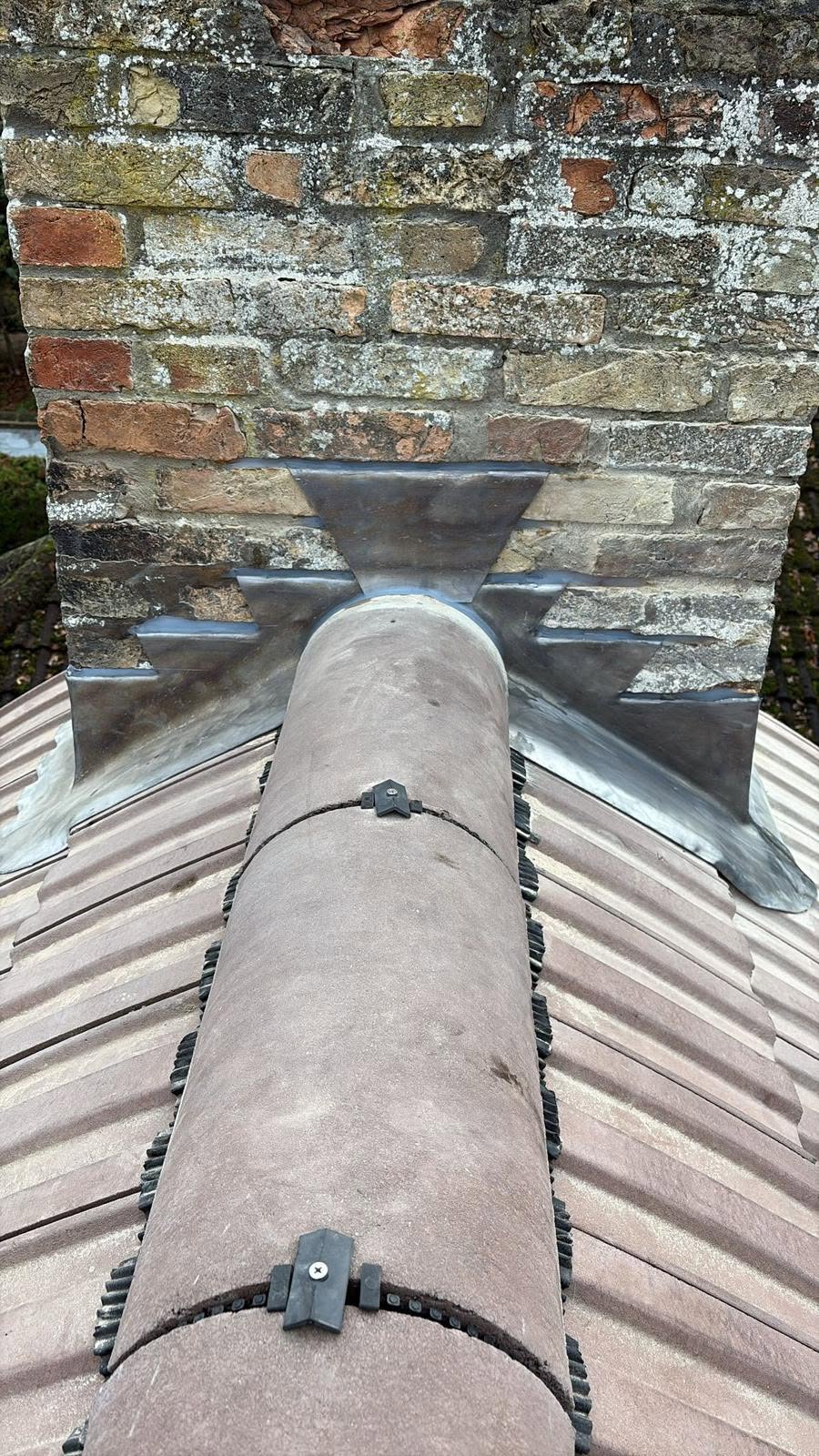
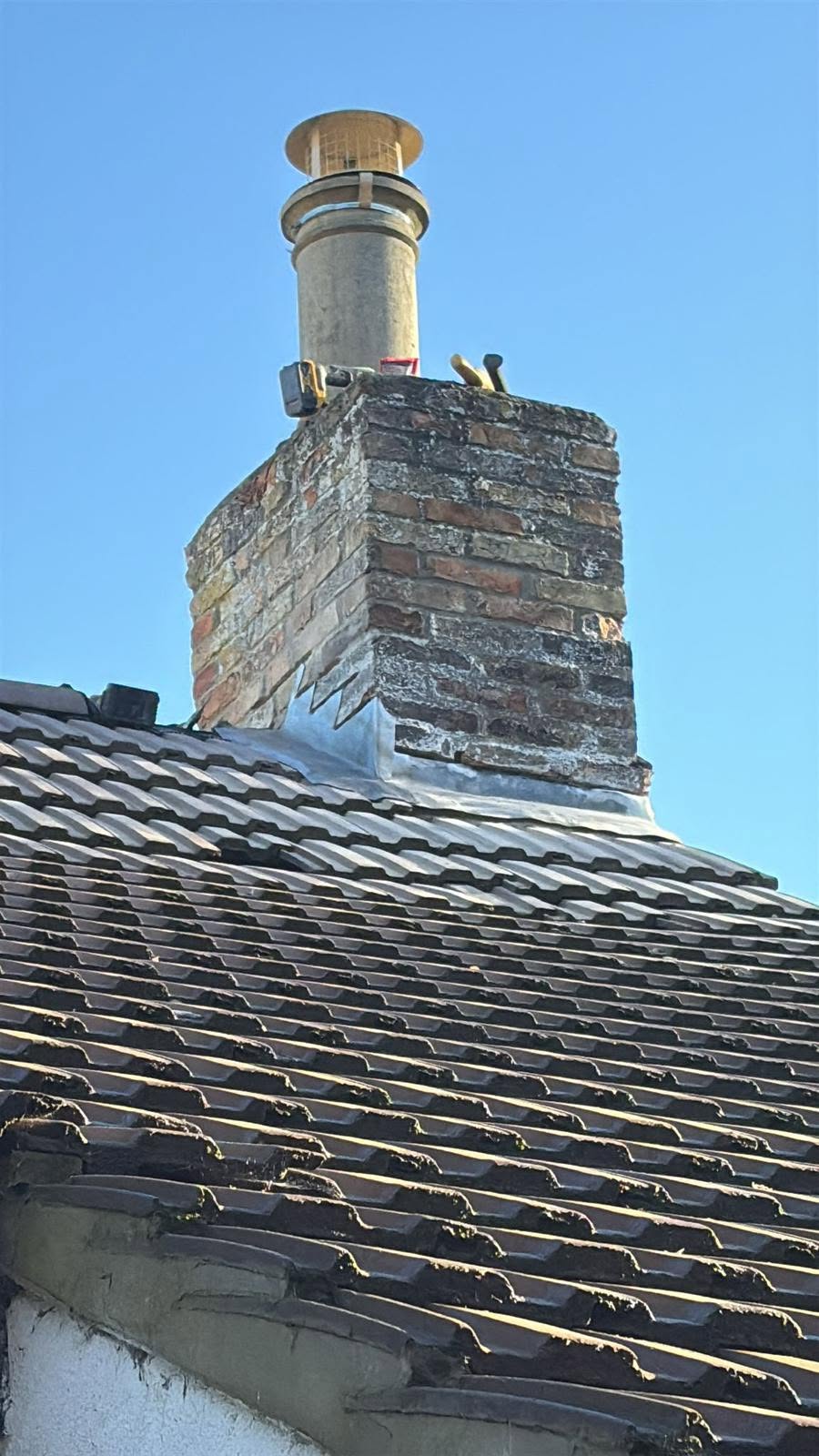
  • Damaged, lifted or crumbling lead flashings around chimneys and abutments
  • Sagging in the ridge line or between rafters
  • Moss build-up thick enough to hold water against the tiles
  • Debris in the gutters — bits of mortar or tile you didn't put there

What to look for inside

  • Damp patches, water stains or bulging paint on upstairs ceilings
  • Daylight visible through the roof from the loft
  • Musty smells or timber that feels damp to the touch in the loft space
  • Water tracks down chimney breasts
  • Peeling paint or damp on the top of internal walls near the eaves

None of these on their own necessarily means a big repair — often it's a single flashing or a handful of tiles. But they all mean it's worth booking a proper inspection so you know exactly what you're dealing with.
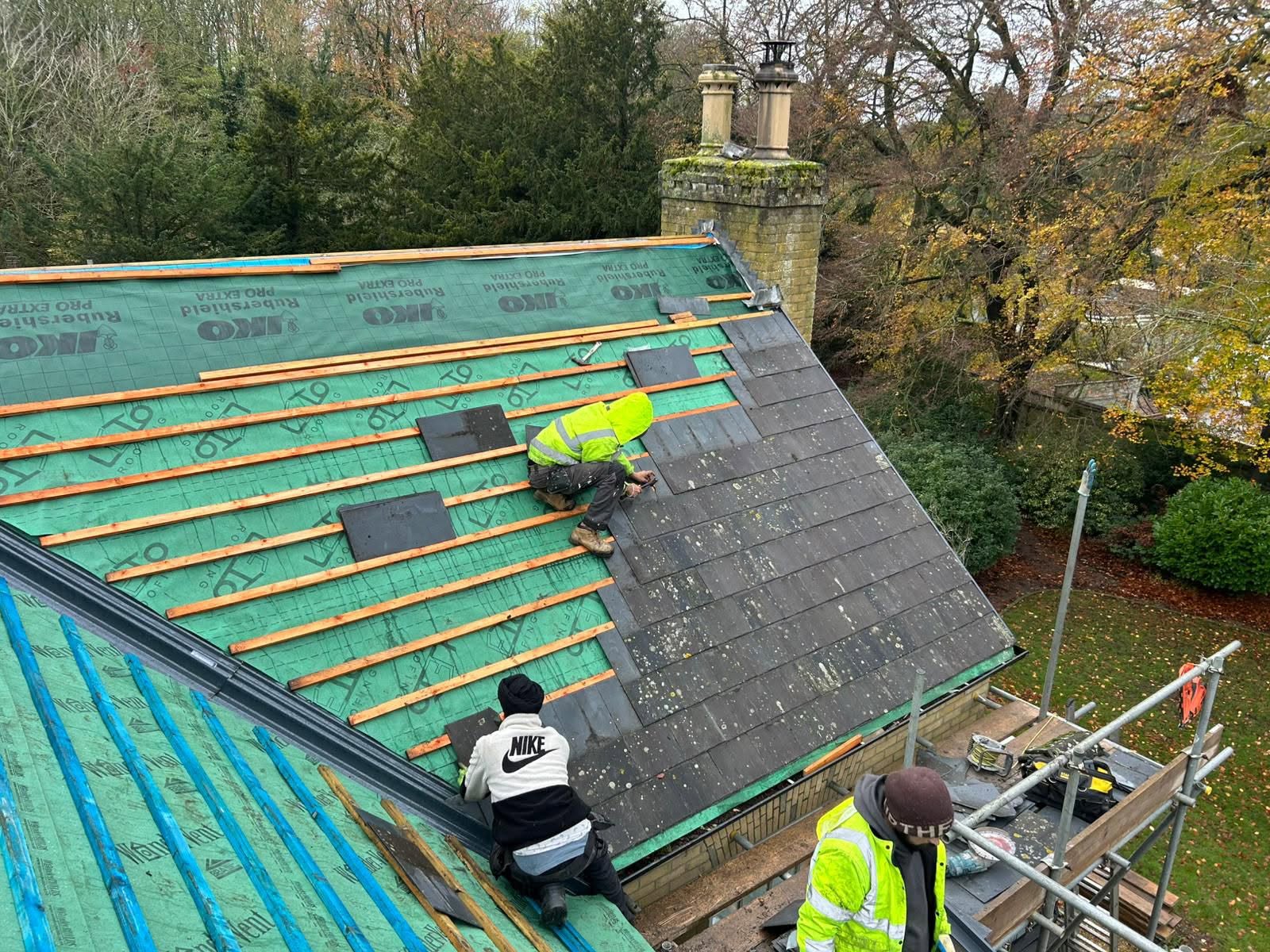
Roof repair services
Common causes of roof leaks

Common causes of roof leaks

Leaks almost never come from where they appear inside the house. Water finds the weakest point on the roof, then tracks along timbers and felt before it drips through the ceiling — sometimes rooms away from the real source.

The usual suspects

  • Cracked, split or lifted lead flashings around chimneys
  • Perished mortar joints on chimney stacks and ridge tiles
  • A single slipped tile letting water onto the felt below
  • Failed valleys — worn out mortar or torn lead
  • Perished roofing felt on older roofs (pre-1980s)
  • Blocked gutters overflowing back under the eaves
  • Poorly sealed flat roof upstands and junctions

Why DIY fixes rarely work

It's tempting to run a bead of mastic or roofing sealant across whatever looks suspect. In practice, that usually traps water in a new location and creates a fresh problem within a season or two. Proper leak repair means finding the real entry point, replacing the failed component (tile, flashing, mortar, felt) with the right material, and testing it in the wet.

Leadwork specialists
Preparing your roof for winter

Preparing your roof for winter

Winter in the Fens brings driving rain, hard frosts and named storms coming in off the North Sea and the Wash. Half an hour of prep in autumn can save a very expensive January call-out.

A sensible pre-winter checklist

  • Clear leaves and debris from gutters, downpipes and valleys
  • Check gutters run properly — no sagging brackets or blocked outlets
  • Look for loose ridge tiles or slipped tiles from ground level
  • Trim back tree branches overhanging the roof
  • Check the loft for any signs of daylight or damp
  • Have any known small issues fixed before the weather turns

Why winter is the worst time to leave issues

Water that gets under a tile or into perished pointing expands as it freezes. That expansion cracks tiles, lifts flashings, breaks mortar joints and turns a small niggle into a major repair. Freeze-thaw damage across a bad winter can put years on a roof. A quick autumn inspection is one of the highest-value pieces of home maintenance you can do.

Book a free inspection
Flat roof vs pitched roof — which is right for you?

Flat roof vs pitched roof — which is right for you?

Building an extension, garage or outbuilding? The flat versus pitched decision affects cost, appearance, lifespan and how the space feels inside — worth thinking about properly at the design stage.

Pitched roofs

The traditional choice, and often the best-looking option on a domestic extension where you want the addition to blend in with the existing house. Tiles or slates can last 50+ years, they shed water and snow effortlessly, and a pitched roof gives you the option of a vaulted ceiling or extra loft storage. They cost more up front and can restrict access to windows on the storey above.

Flat roofs

Modern flat roofing systems — GRP fibreglass, EPDM rubber and high-performance felt — are a world away from the leaky felt roofs many people still associate with the term. They're quicker and cheaper to install, keep sight lines clean on garages and single-storey extensions, and comfortably last 20–30 years. Ideal where head height above matters or where a pitched roof would look out of proportion.

Which should you choose?

For most single-storey rear extensions we'd suggest looking at both options with real prices attached. A pitched tile roof will usually cost more but add slightly more value. A well-installed GRP or EPDM flat roof is a strong choice on a garage, dormer or lower-priority extension. On period properties, matching the existing roof material and pitch almost always wins.

Flat, tiled & slate roofing
How storm damage can affect your property

How storm damage can affect your property

The visible damage after a storm is usually only part of what's happened. A single missing tile can let a surprising amount of water into a roof structure over a wet weekend — and the knock-on repair bill can dwarf the original fix.

The chain of damage

It typically starts with the roof covering — a tile, a flashing, a ridge cap. Once wind gets under it, water follows. From there, water saturates the felt, then the timber battens, then the rafters and loft insulation. Left long enough it stains ceilings, softens plaster, damages electrics, and starts to rot structural timbers. What began as a £150 tile job can turn into a £5,000 reactive repair inside a couple of years.

What to do after a storm

  • Check the ground and gutters for dislodged tiles or debris
  • Photograph anything obvious from ground level, for insurance
  • Look in the loft for any signs of daylight, damp or dripping water
  • Ring a local roofer for a prompt inspection
  • Never attempt to get on the roof yourself, especially in wet conditions
Storm damage repairs
How long should a roof last?

How long should a roof last?

Roof lifespan varies enormously depending on the material, the quality of the original installation and how exposed the property is. Here's a realistic guide by roof type — with the usual proviso that a well-maintained roof always outlasts a neglected one.

By roofing material

  • Concrete tiles: 40–60 years, sometimes longer with good maintenance
  • Clay tiles and pantiles: 60–100 years — often the felt and battens go first
  • Natural slate: 80–120+ years, with occasional refixing of loose slates
  • Man-made slate (fibre-cement): 40–60 years
  • GRP flat roofs: 25–30+ years
  • EPDM rubber flat roofs: 25–30+ years, often longer
  • Torch-on felt flat roofs: 15–25 years depending on grade
  • Traditional 3-layer felt (older systems): typically 10–15 years

What actually shortens roof life

Poor installation is the biggest single factor. Beyond that: cheap materials, incorrect flashings, inadequate ventilation causing damp in the loft, and long-standing minor damage that's been ignored. The good news is all four are within your control when you choose the roofer and specify the job.

New roof installations

Still not sure? Ask us.

Free inspections and honest advice on any roofing question, across Wisbech, King's Lynn and the surrounding areas.

Call