Traditional leadwork, done by hand.
Almost every roof leak that isn't a broken tile turns out to be failed leadwork — a cracked chimney flashing, a tired valley, a soaker that was never fitted properly. We specialise in traditional lead flashings and leadwork across Wisbech, King's Lynn and the surrounding Fens, using real Code 4 and Code 5 lead dressed to fit on site.
No shortcuts with mastic, no plastic substitutes, no aluminium "lead-look" strip on anything that shows. Just proper leadwork done the way it should be — so it lasts as long as the rest of the roof.
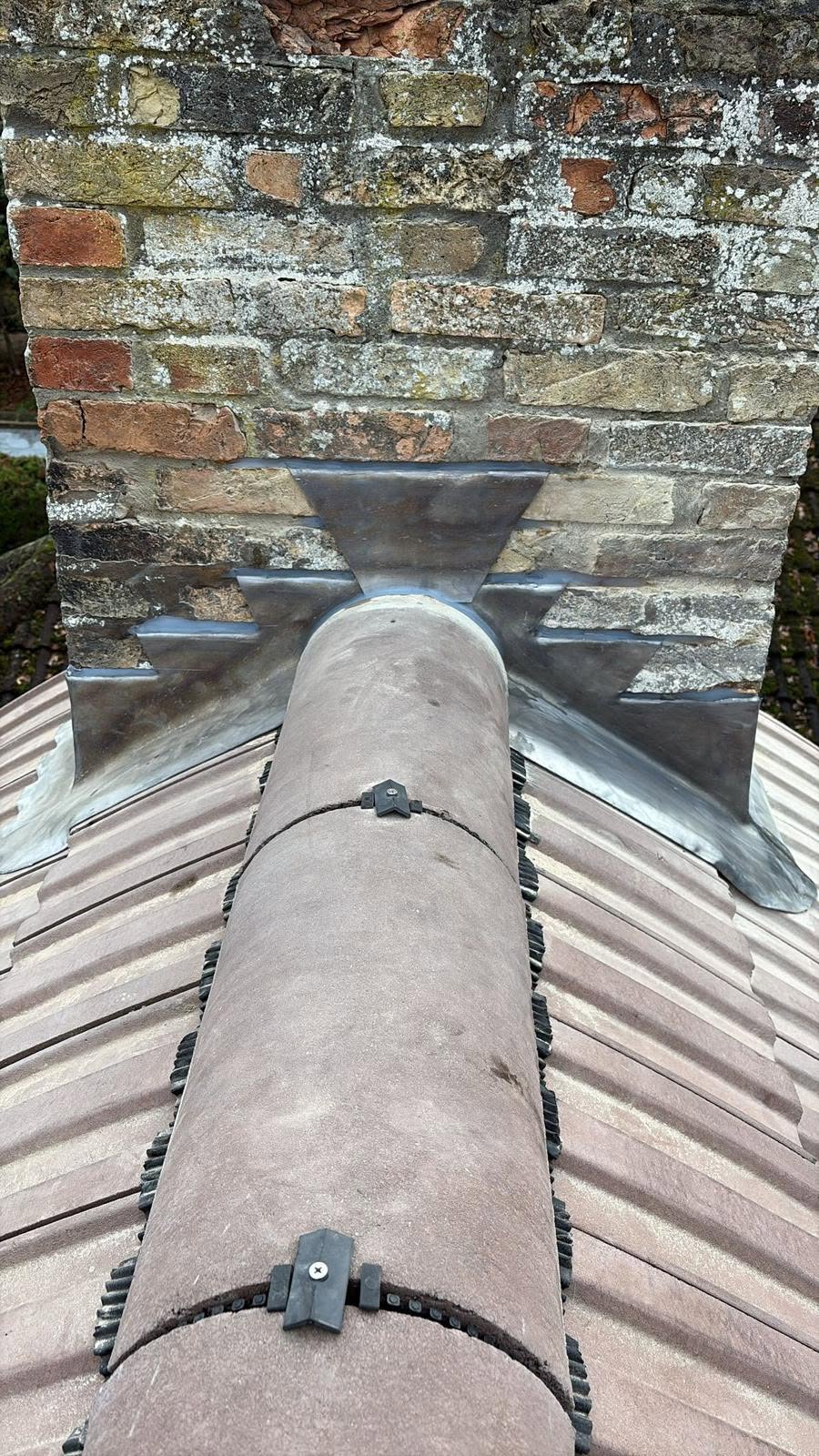
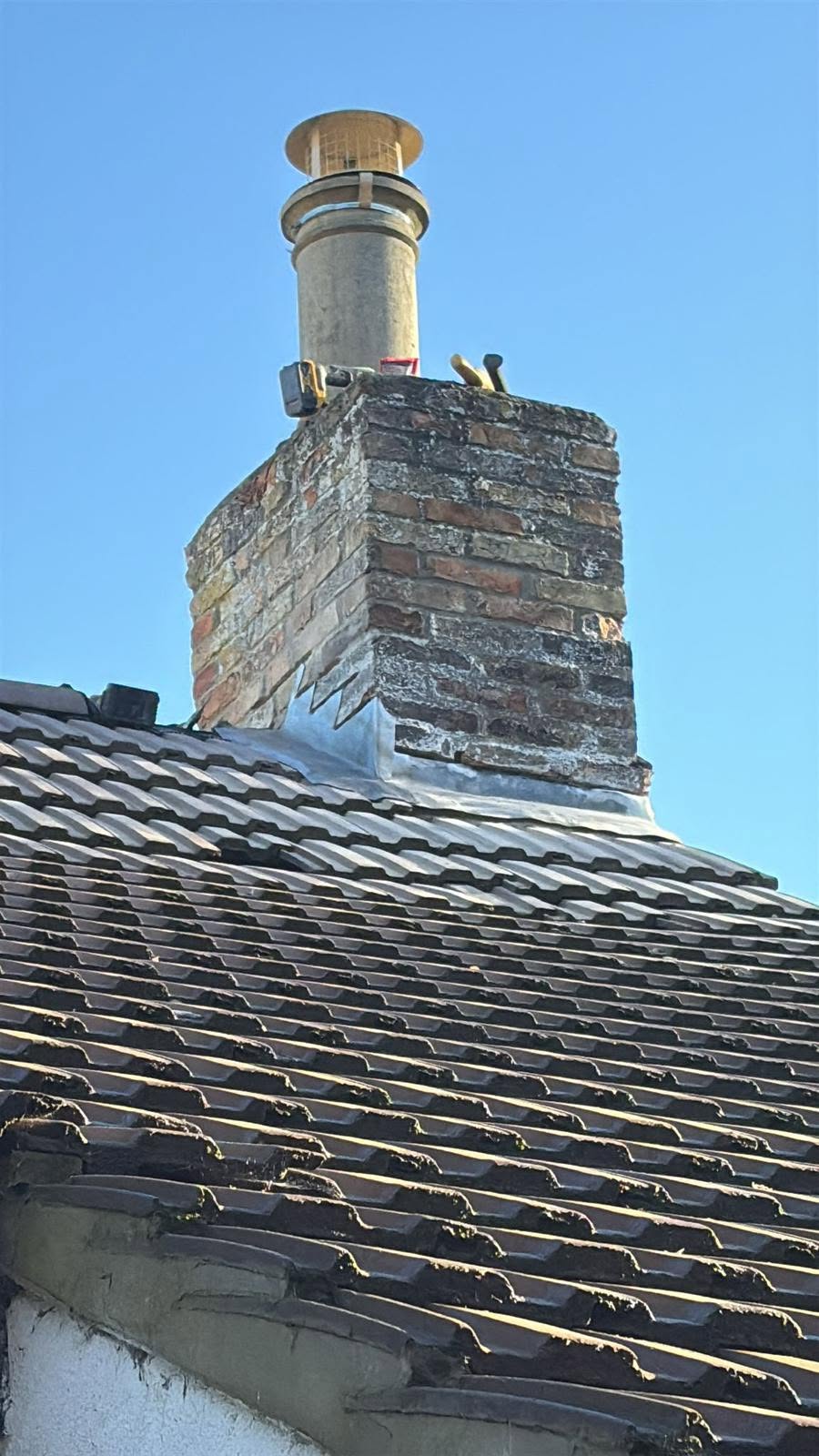
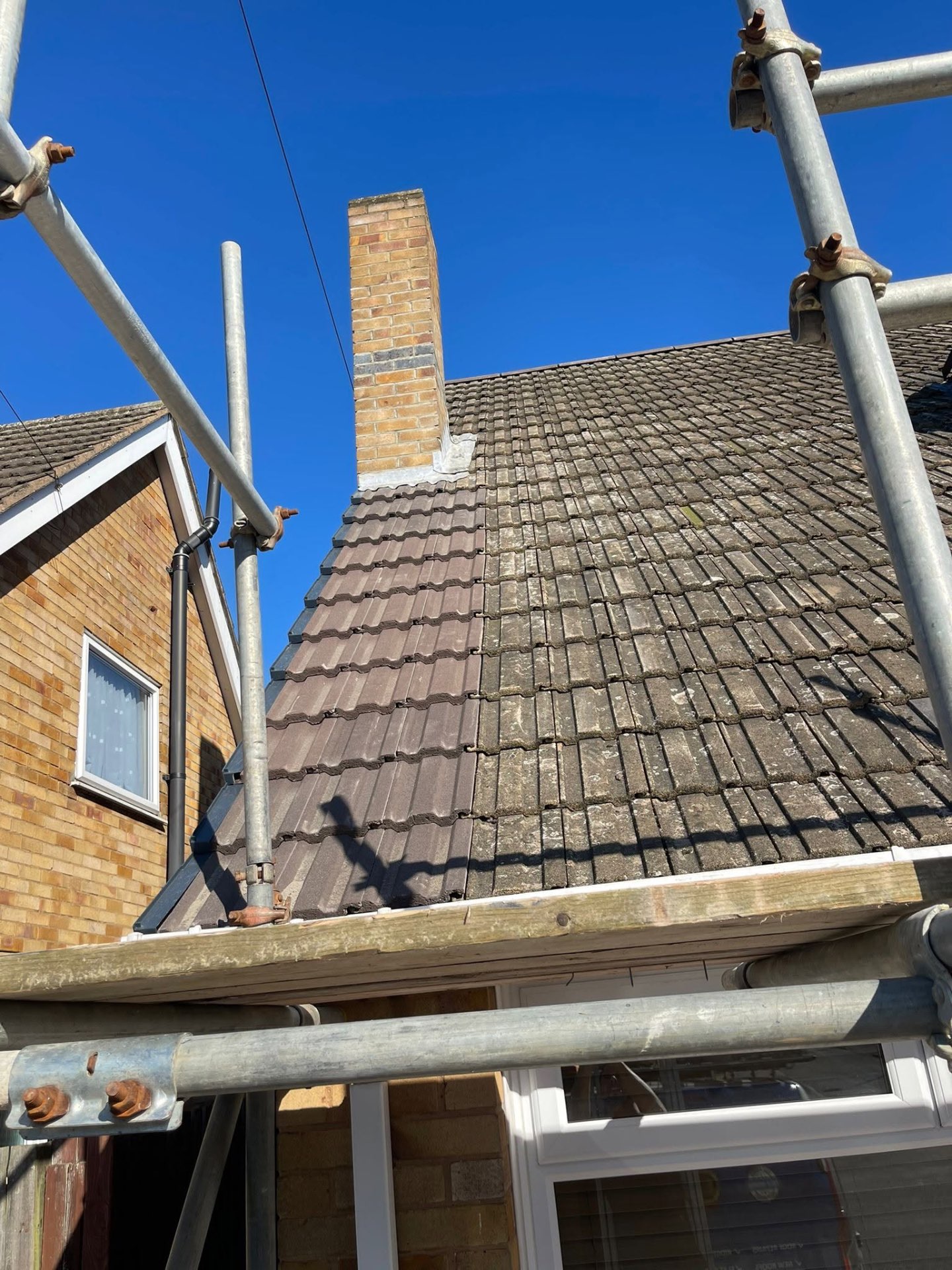
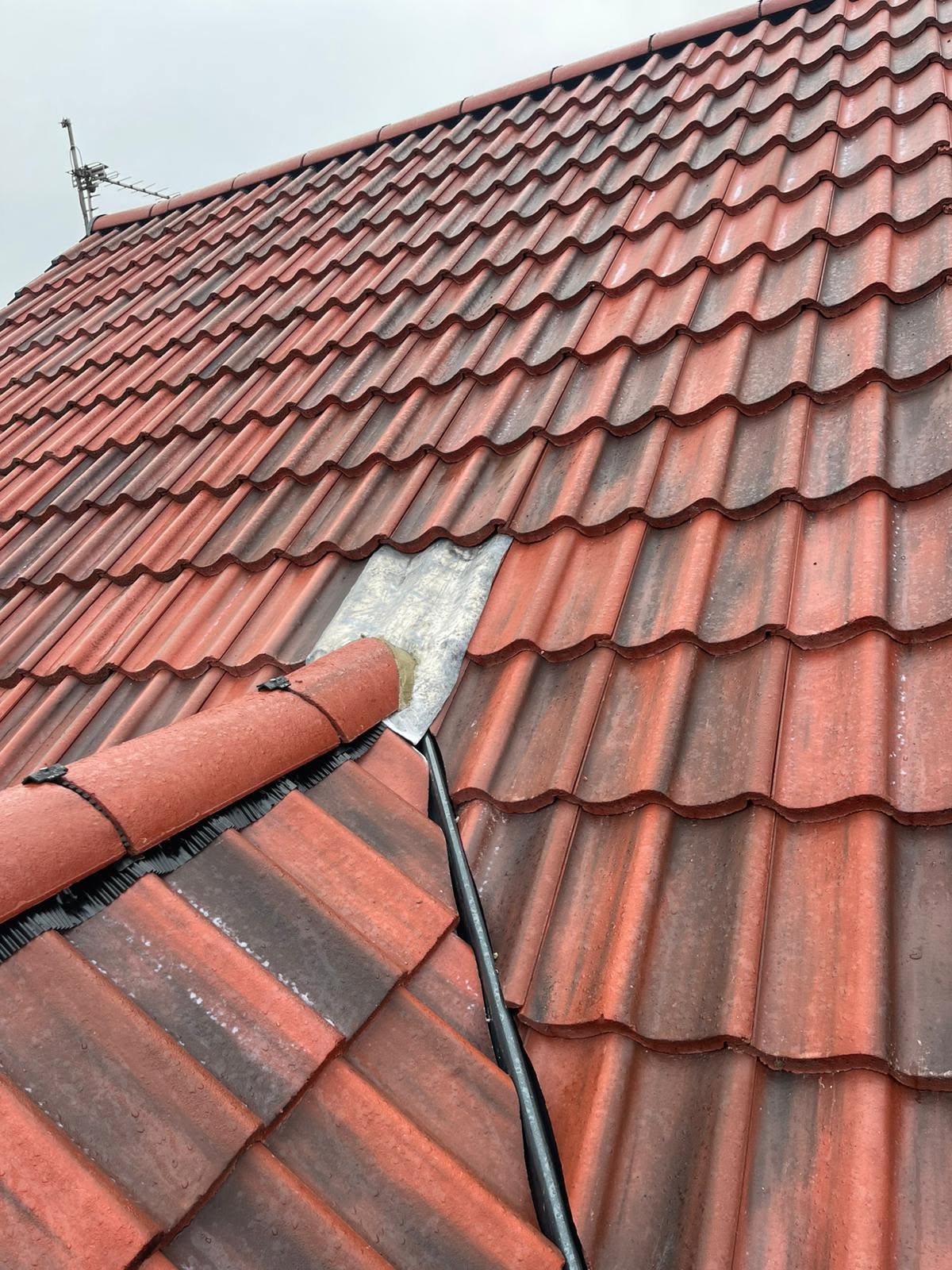
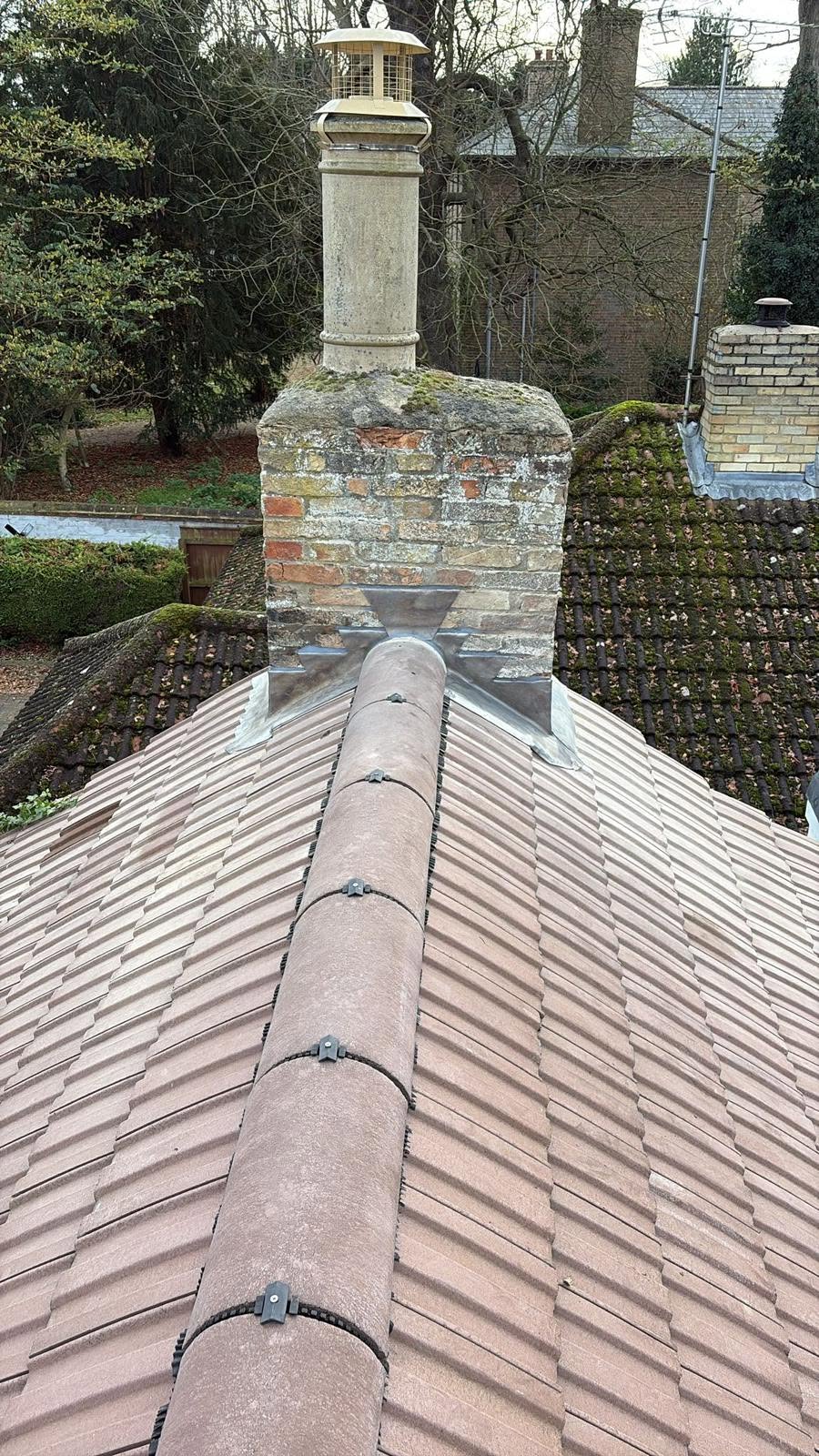
Professional Roofing Leadwork
Leadwork remains one of the most effective methods of waterproofing vulnerable areas of a roof, particularly around chimneys, valleys and roof junctions.
Our skilled roofers provide expert lead flashing installation and repairs using traditional methods and high-quality materials to ensure long-lasting protection against leaks and water penetration.
Whether your leadwork has deteriorated over time or requires replacement as part of a larger roofing project, we deliver reliable solutions designed to protect your property for years to come.
Contact us today for professional advice and a free quotation.
Why leadwork matters
The details that decide whether a roof leaks.
Common leadwork problems
- Cracked or split flashings from thermal fatigue
- Perished pointing releasing the top edge of the flashing
- Poorly dressed original work that never sealed properly
- Lead 'creep' on long unbroken runs without expansion joints
- Corrosion where lead meets incompatible mortars
- Missing or damaged soakers behind stepped flashings
Signs your leadwork needs attention
- Damp patches on chimney breasts inside the house
- Staining on brickwork below a flashing
- Visible cracks, tears or lifted edges when looking up at the roof
- Water tracks down the chimney inside the loft
- Flashings that have obviously worked loose
Benefits of proper leadwork
Correctly specified and hand-dressed lead is the gold standard for weatherproofing roof junctions. It moves with the building, tolerates decades of freeze-thaw cycles, doesn't perish in UV light, and can be shaped to fit awkward details that no other flashing material can handle. On period and heritage properties, lead is almost always the only appropriate choice — both structurally and for the character of the building.
Materials we use
- Code 4 lead — standard stepped flashings, cover flashings, soakers
- Code 5 lead — main chimney aprons, back gutters, valleys
- Code 6 lead — heavier valleys and exposed parapet gutters
- Lead-welded corners on box gutters where required
- Traditional patination oil to prevent staining on new lead
- NHBC-compliant lime and cement pointing to suit the brickwork
Typical lifespan
A well-installed Code 4 or Code 5 flashing has an expected service life of 60 to 100 years. In practice, the mortar joints holding the top edge of the flashing usually need attention long before the lead itself does — one of the reasons we always repoint properly as part of any flashing job.
Maintenance advice
Leadwork is close to fit-and-forget, but it pays to have someone glance at it every few years. Watch for staining on brickwork below flashings, any visible cracks or lifted edges, and dampness on chimney breasts inside the house. Small issues caught early — a re-point here, a re-dress there — are far cheaper than the water damage that comes from ignoring them.
Our process
How we work
- 01
Assessment
We inspect the existing leadwork, mortar joints and substrate to plan the repair properly.
- 02
Written quote
Fixed price specifying the lead code, quantities and any brickwork or repointing needed.
- 03
Traditional install
Lead cut, bossed and dressed on site to fit — with proper soakers, clips and welts.
- 04
Weather tested
Joints pointed, junctions checked, and the roof left watertight and neat.
FAQ
Frequently asked questions
Why is lead used on roofs?+
Lead has been used on British roofs for centuries because it does one job exceptionally well — it forms a completely waterproof, flexible, long-lasting seal at the junctions where a roof meets something else (a chimney, a wall, a valley). It can be dressed to fit any shape by hand, it doesn't rot or corrode, and installed properly it will comfortably outlast most other roofing materials.
What code of lead do you use?+
For most domestic flashing work we use Code 4 or Code 5 lead — the standard specifications for stepped and continuous flashings on residential roofs. Larger valleys and heavily exposed positions get Code 5 or Code 6 for extra durability. We never substitute lead for cheaper 'lead-look' plastic or aluminium alternatives on visible work.
Can you replace old lead that's cracked or split?+
Yes — cracked or fatigued lead is one of the most common causes of chimney and abutment leaks on older roofs. We strip the old lead, prepare the substrate properly (raking out and repointing brick joints where needed), then dress in fresh Code 4 or Code 5 lead flashings with new soakers behind.
Is lead theft still a problem?+
It has quietened down since scrap-metal legislation tightened, but it does still happen, especially on isolated buildings. If theft is a concern we can apply SmartWater or similar forensic marking, and design flashings to be less accessible where possible.
How long does properly installed leadwork last?+
A well-installed Code 4 or Code 5 lead flashing should give 60+ years of service before it needs replacing. It's one of the longest-lasting components on the entire roof — provided the substrate underneath (mortar joints, brickwork, timber) is sound to begin with.
Do you handle lead valleys and gutter linings?+
Yes. We fabricate and dress lead valleys, box gutters, parapet gutters, cheek and apron flashings, and lead-lined dormer detailing. Lead-lined valleys on period properties are a specialist job we're happy to price up individually.